

PWA vs native isn't about which is better, it is about four concrete questions: hardware access, store discovery, iOS push, and install friction.
Codestreaks Team
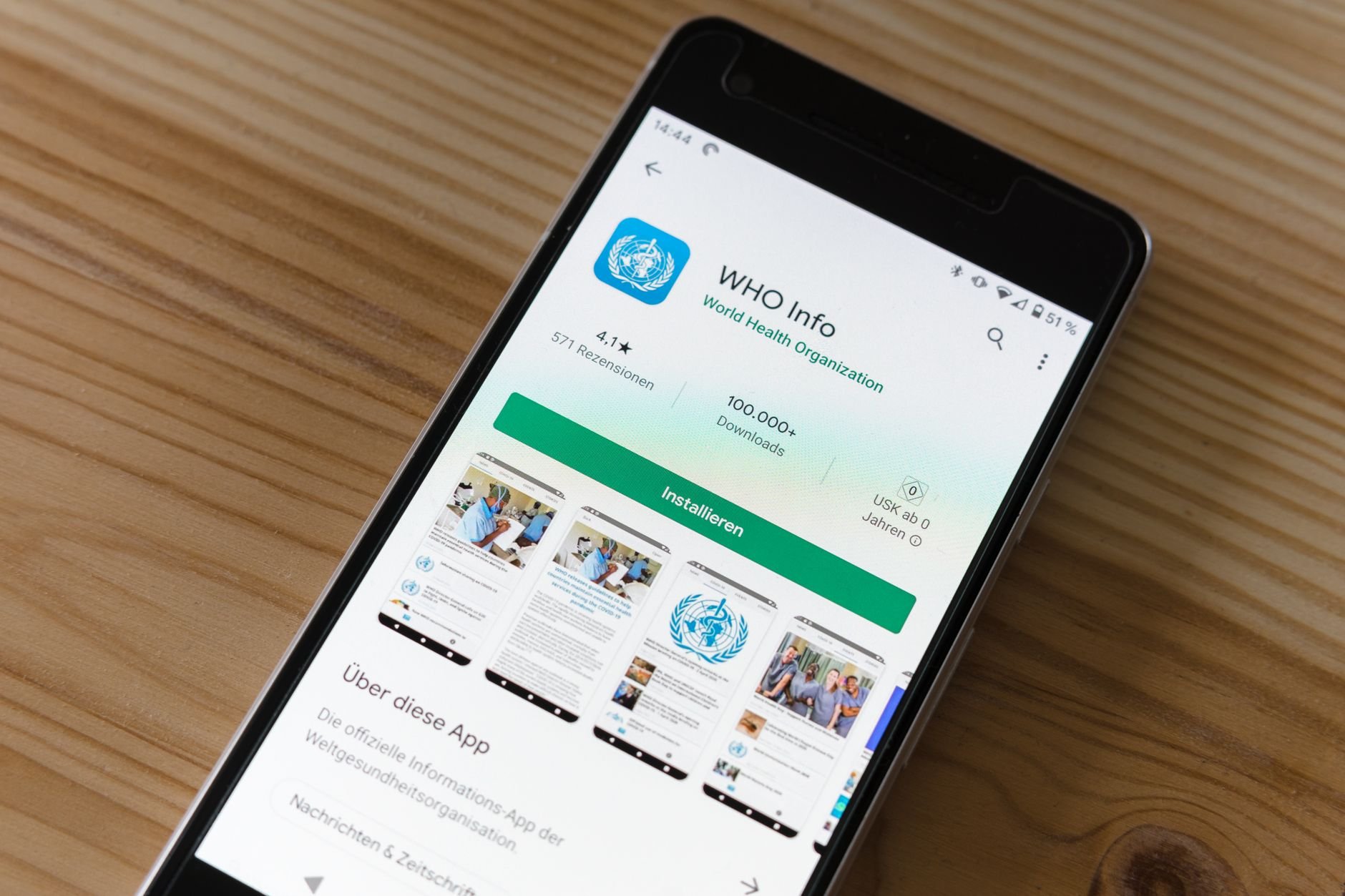
A progressive web app is a website that behaves like an app: installable, works offline, sends push notifications on some platforms, without going through an app store. A native app is built specifically for iOS or Android and lives in the App Store or Play Store. The decision between them isn't about which technology is better in the abstract, it's about which specific capabilities your product actually needs, and PWAs and native apps genuinely differ on a short, concrete list of things.
Most PWA versus native debates get lost in framework opinions. The decision is more mechanical than that. Answer these four questions honestly and the right choice is usually obvious:
From the field. A founder came to us convinced they needed a native app because "that's what real apps are," without ever articulating which native capability they actually needed. Once we walked through the four questions above, it became clear their product was fundamentally content delivery with a simple notification need, no camera, no Bluetooth, no App Store discovery play in their go-to-market plan. We built it as a PWA at roughly half the cost and timeline of the native build they'd been quoted elsewhere, and it shipped in weeks instead of months. The lesson isn't that PWAs are always cheaper and just as good, it's that "native" was never actually the requirement, hardware access and store discovery were, and the product needed neither.
This is the option most decision frameworks skip. If your core hardware and discovery needs are genuinely unclear at launch, a PWA is a legitimate way to validate the product before committing native-level budget. The catch: this only works cleanly if the underlying architecture (API layer, data model, business logic) is built in a way that a later native app can reuse, not thrown away. Ask whoever builds your PWA how much of the backend and business logic would carry over to a native build later, before you start, not after you've outgrown the PWA.
Choosing PWA versus native is the first decision, not the last. Within native, you still have a choice between fully separate iOS and Android codebases versus a cross-platform framework that shares most of the code between them. Within PWA, the underlying web framework determines how close the offline and installability experience gets to feeling native. Buy the outcome, not any specific vendor's framework: pick tooling that's genuinely well-supported and widely adopted, and keep your core business logic decoupled from any single framework's specific APIs wherever practical. Frameworks get deprecated or fall out of favor; a rewrite because you locked into the wrong one two years ago is a much more expensive mistake than the original PWA versus native decision.
We've shipped 30+ projects to production since 2024 across both paths, and the pattern holds regardless of which one a given product needed: the products that ran into trouble later weren't the ones that picked "the wrong technology," they were the ones where nobody had actually answered the four questions above before committing budget. Every engagement we take on includes 100% code ownership on delivery either way, so switching paths later, if the product's needs genuinely change, doesn't mean starting from zero.
A PWA is typically the cheaper, faster build in our range, often landing at $4,000 to $10,000 for a focused product over three to four weeks, because there's one codebase and no store review cycle. A native app, especially if built for both iOS and Android, more often lands in the $10,000 to $22,000 range over five to seven weeks, sometimes higher if the hardware integration is complex. Neither number is fixed until the actual requirements, especially the four questions above, are answered.
Yes, as of recent iOS versions, but with real limitations: it requires the user to have installed the PWA to their home screen first, and opt-in rates tend to run lower than a native push permission prompt. If iOS push is core to retention, weigh this carefully.
Usually, because it's one codebase instead of two platform-specific builds and skips app store review. The gap narrows if the native app only targets one platform, and can reverse if the PWA needs to replicate complex native-only functionality.
No. PWAs are not discoverable through App Store or Play Store search. If store discoverability is part of your growth plan, that alone can be a deciding factor for native.
Yes, if the backend and business logic are architected to be reused rather than fully rebuilt. Ask this question explicitly before the PWA build starts, not after you decide you need native.
Yes, using service workers to cache assets and data for offline use, though the offline experience is generally more limited and requires more deliberate engineering than native offline support.
If you're stuck deciding between a PWA and a native app, walk through the four questions above honestly before you get a quote for either. Book a free 30-minute scoping call and we'll help you figure out which one your product actually needs. We reply within two business days.
Book a scoping call or see our approach at web development.


