

Discovery, design, build, test, launch looks simple on a slide. Here's where real timelines actually slip, and how to plan around it.
Codestreaks Team
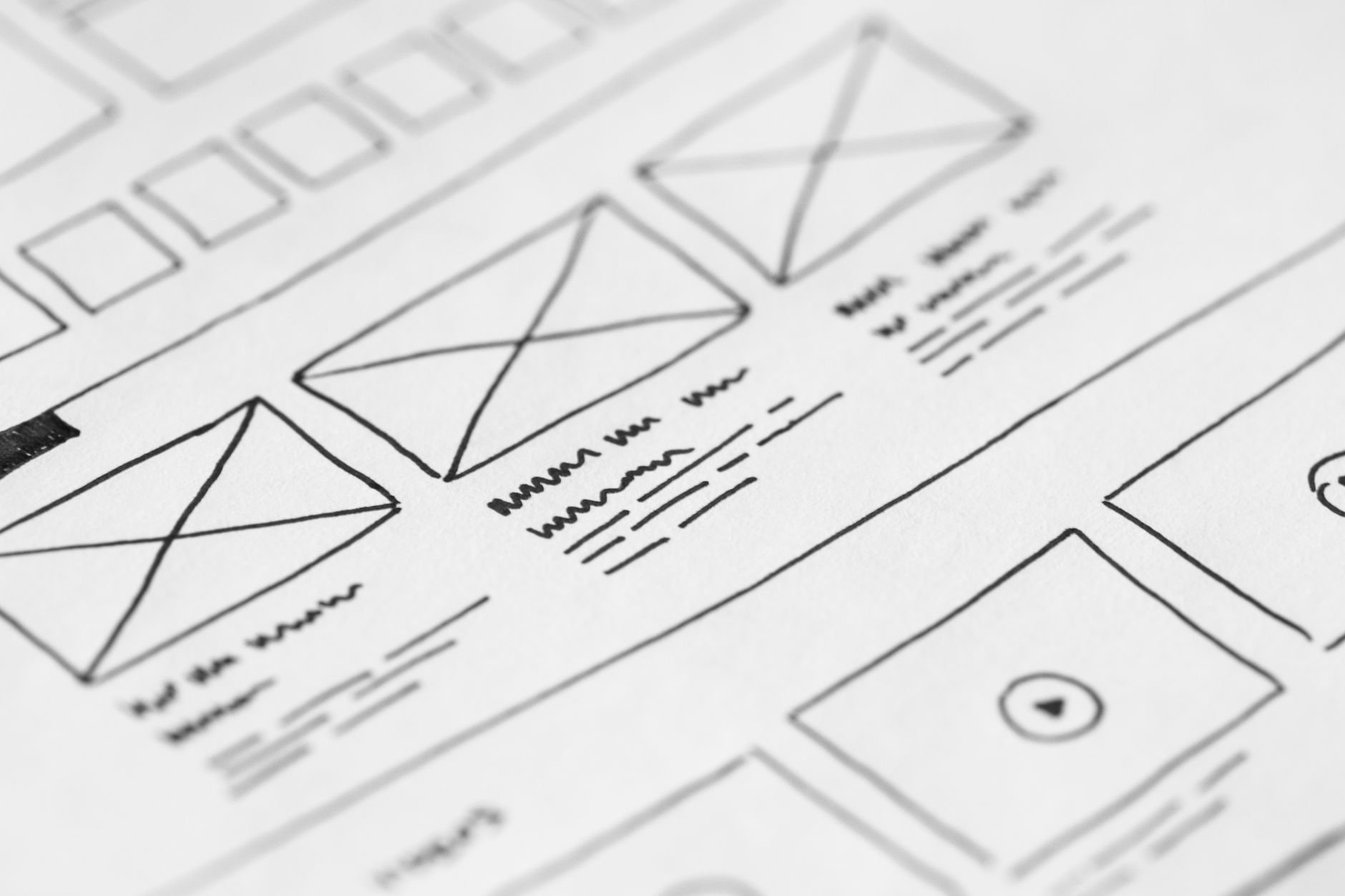
Every web application development process looks similar on a slide: discovery, design, build, test, launch. Where projects actually lose time is almost never on the slide. It's in the gap between design approval and the first working feature, and again between "feature complete" and "actually ready for real users." Knowing those two spots in advance is most of what separates a process that holds its timeline from one that doesn't.
We've run this process end to end more than 30 times since 2024, and the pattern repeats: teams that plan for those two gaps ship close to on time. Teams that don't plan for them ship late by roughly the same margin every time, because the gap doesn't go away just because it wasn't in the plan.
1. Discovery. Define the actual problem, not the feature list someone wrote down first. This is where scope should get smaller, not bigger, as you find out what the core workflow actually is.
2. Design. Wireframes and a clickable prototype. The trap here: a prototype that looks finished convinces stakeholders the hard part is done. It isn't. Design shows what the screens look like. It says nothing about what happens when the data is messy or the API is slow.
3. Build. This is where the real time goes, and where the design-to-build gap shows up first. A design file has no edge cases. Real data does: empty states, partial records, users who do things in an order nobody designed for. Budgeting build time as "however long the design took, plus a bit" is the single most common estimation mistake we see.
4. Testing. Not a final QA pass bolted on at the end. The projects that hold their timeline test continuously, so a broken assumption surfaces in week 3, not week 9 when fixing it means reworking three other features built on top of it.
5. Launch and support. Launch is a milestone, not a finish line. The first two weeks in production surface issues no amount of pre-launch testing catches, because real users behave differently than test users.
Most guides on how to design a web application focus on the visual layer: wireframes, component libraries, a design system. That's necessary and it's the easy half. The harder half is designing the data model and the state transitions before a single screen gets built, because a beautiful UI on top of an unclear data model is where "feature complete" quietly turns into "keeps breaking in ways nobody can explain."
What a design phase should produce, beyond visuals, before build starts:
This is also where a lot of budget gets misallocated. Teams pay for polished visual design and treat the data model as an implementation detail engineers will "figure out." In our experience it's the reverse: a rough-looking screen backed by a clear data model ships faster and breaks less than a polished screen backed by an unclear one.
The life cycle of website development is often drawn as a straight line ending at launch. In practice it's closer to a loop: launch, observe real usage, fix what real users actually hit (which is rarely what you predicted), then iterate. Budgeting zero time for that first post-launch stretch is how a project that shipped "on time" ends up feeling late anyway, because the team is still firefighting weeks after the launch date passed.
The phases in website development that determine your timeline aren't the ones with the biggest boxes on the project plan. They're the two gaps described above: design-to-build, and feature-complete-to-production-ready. A four-week design phase followed by an eight-week build that has no buffer for edge cases isn't a twelve-week project, it's an eight-week project that's going to run fourteen.
A rough, honest website development process flowchart, based on what actually happens:
Most timeline overruns we've seen trace back to one of those five steps being treated as a formality instead of real work, usually step 1 (discovery rushed to get to the "real work") or step 3 (build estimated off the design timeline instead of the actual complexity underneath it).
A recurring client pattern: a team arrives with a demo that impressed everyone in a meeting and fell apart on real data. The demo had a clean happy path and no messy states. Most of our work on these engagements isn't writing new features, it's reliability engineering: making the thing that already demoed well actually hold up when a thousand real users hit it in ways the five demo examples never did. Typical budget for that kind of engagement runs $4,000 to $30,000 depending on scope, with most single-application builds landing on the lower half of that range.
For a well-scoped single application, four to eight weeks from kickoff to live deployment is typical. Broader platforms with more integrations run longer, usually phased.
The build phase running longer than planned because the design phase didn't account for messy data states and edge cases, only the visual layer.
Throughout. A broken assumption found in week 3 is a small fix. The same assumption found in week 9, after three other features were built on top of it, is a much bigger one.
No. You need agreement on the data model and what "done" means for the first release. A polished design system can come later; an unclear data model can't be built around safely.
Real usage surfaces issues test users don't, because real users behave unpredictably. Budgeting attention (not just support hours) for that window is part of the process, not an afterthought.
If you're scoping a web application and want a realistic timeline instead of an optimistic one, that's exactly the conversation worth having before design starts. Free 30-minute scoping call, two business day response either way. See how we approach web development or start a project.


