

What actually goes into telemedicine software: video visits, scheduling, EHR integration, and data handling, from a dev shop that has built it.
Codestreaks Team
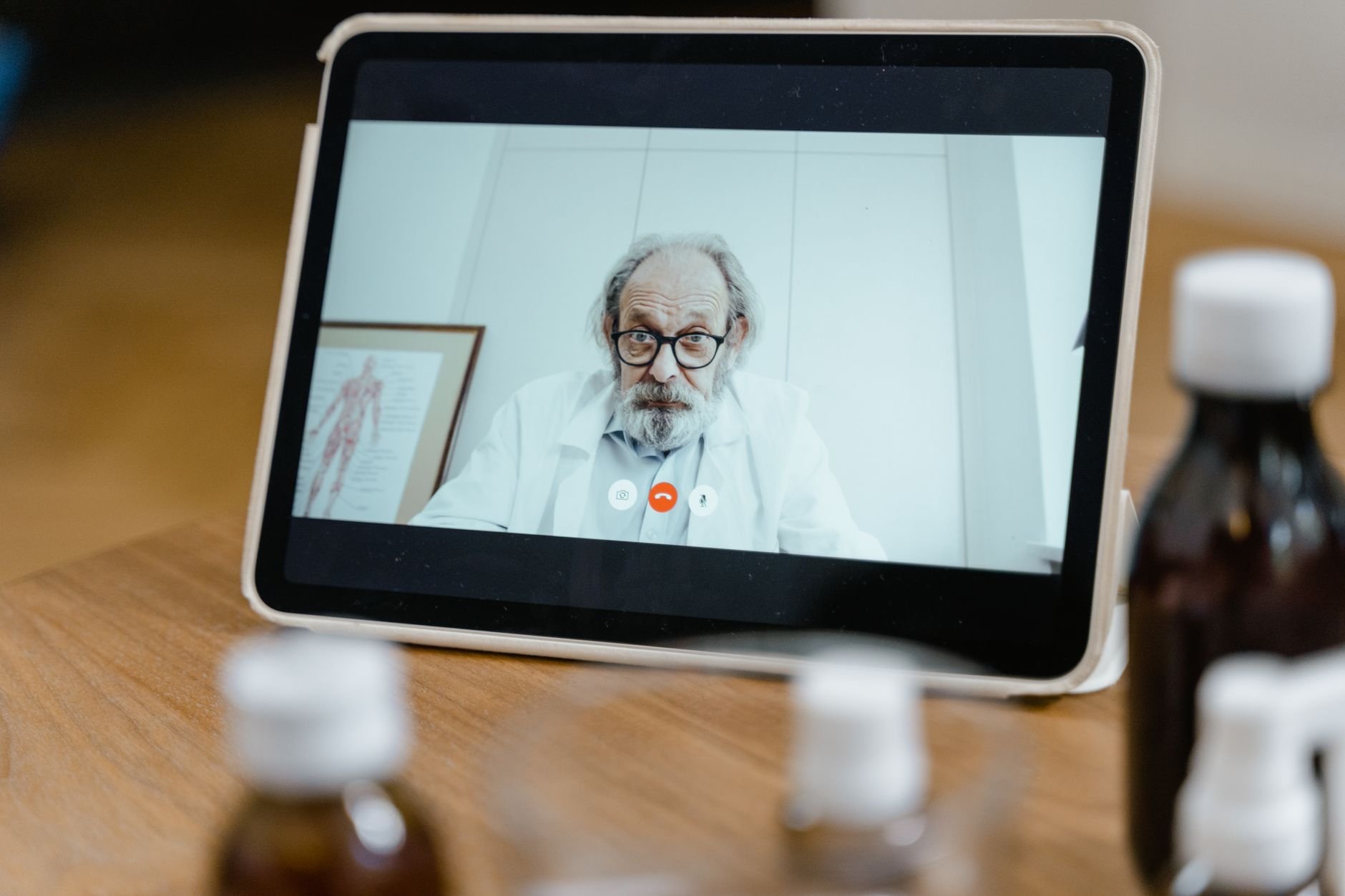
A clinic operator we talked to last year had it mapped out in one sentence: "We need a video visit thing, like a mini Zoom, with scheduling." That's the pitch almost every telemedicine project starts with. It's also wrong in the way that costs six weeks of rework, because the video call is the least interesting part of the system.
We've built healthcare-adjacent software long enough to know where the actual engineering effort goes. It isn't the pixels on the video call. It's everything wrapped around it: who can see what, how a no-show gets rescheduled, how a visit note lands in the right chart, and what happens when a provider's internet drops mid-visit. This post walks through what a realistic telemedicine software development effort covers, what clients underestimate, and what a real build timeline and budget look like.
One thing up front: we're describing engineering practice here, not legal advice. If you're building anything that touches protected health information, get a healthcare attorney and a compliance consultant involved before you write a line of code. What follows is how the software gets built once those requirements are defined, not what the requirements should be.
Every serious telemedicine software development company reaches for the same category of tool for the actual video layer: a WebRTC-based SDK (Twilio Video, Vonage, Daily, Agora, or a self-hosted stack on top of the open WebRTC protocol). Rolling your own real-time video stack from scratch is a multi-year distraction almost nobody should take on. That decision usually takes a day.
What takes weeks is everything the video call sits inside of: waiting rooms that show a provider who's running behind without leaking another patient's identity, reconnect logic when a patient's cell connection drops (this happens constantly, not occasionally), screen sharing for reviewing labs or images together, and a fallback to audio-only when bandwidth can't support video. None of that shows up in a demo. All of it shows up in week three of production use, when a real patient on a real connection in a real parking lot needs the call to not just die.
Ask any team that has shipped a telehealth product what broke trust with users first, and it's rarely the video quality. It's scheduling. A booking calendar that looks clean in a design file turns into a genuinely hard problem once you add: provider-specific availability windows, timezone handling across patients and providers who aren't in the same one, buffer time between visits, recurring versus one-off appointment types, waitlists, and cancellation policies that have to sync back to whatever billing or EHR system is downstream.
Then there's the part clients almost never plan for: what happens to a slot when a provider force-closes a session, or a patient double-books because two tabs were open. Scheduling logic that looks trivial in a spec document turns out to have a dozen edge cases that only surface once real people start using the calendar unpredictably, which they always do.
"HIPAA-compliant" gets used as a marketing phrase more often than it gets used correctly. There's no single certification stamp a vendor hands you that makes a system compliant; compliance is a property of how the whole system, including your organization's policies and training, actually operates, and that determination belongs to your compliance team and counsel, not your development shop.
What a development team is responsible for is the engineering half: encryption in transit and at rest, role-based access control so a front-desk account can't pull clinical notes, audit logging on every read and write to a patient record, session timeouts, and signed business associate agreements with every third-party service that touches patient data, from the video SDK to the email provider that sends appointment reminders. We wrote a longer breakdown of what the regulation actually requires from a technical build standpoint in our HIPAA compliant mobile app development guide, which is worth reading before you scope a telemedicine build, because most of the technical requirements carry over directly.
The mistake we see most often isn't missing encryption. It's audit logging bolted on after launch instead of designed in from the first schema. Retrofitting who-accessed-what-when into a system that wasn't built to track it is a rewrite, not a patch.
Clients budget for the video call and the scheduling screen. They rarely budget properly for connecting to the EHR the clinic already runs on, and this is usually the single biggest source of scope creep on a telemedicine build.
HL7 and FHIR are the standard protocols for exchanging clinical data, but "supports FHIR" varies enormously between EHR vendors in practice. Some expose a clean, modern FHIR API. Others require a third-party integration engine, a VPN tunnel, and weeks of back-and-forth with the vendor's own integration team just to get read access to appointment data, let alone write access for visit notes. If your telemedicine platform needs to pull patient demographics, push encounter notes back into the chart, or sync insurance eligibility, plan for EHR integration to be its own project phase with its own timeline, not a bullet point inside the main build.
We cover the general shape of what a patient portal and telehealth build requires, including where EHR integration sits in the sequence, in our healthcare mobile app development guide. The short version: scope the EHR conversation in week one, not week eight.
We've delivered 30+ projects to production since 2024, and the pattern holds across verticals, including healthcare: a single-purpose build, something like a video-visit-plus-scheduling MVP without deep EHR integration, runs $4,000-$10,000 and takes 3-4 weeks. A multi-step system that adds waitlists, provider dashboards, and a first EHR integration lands in the $10,000-$22,000 range over 5-7 weeks. A full platform with multiple integrations, insurance eligibility checks, and phased rollout across a care network runs $22,000-$30,000 or more over 8-12 weeks.
Telemedicine builds tend to sit at the upper end of each of those bands, mostly because of the EHR and data-handling work described above, not the video layer itself. If a quote for a telemedicine MVP comes in flat and cheap with no mention of audit logging, business associate agreements, or EHR scope, that's usually a sign those items got skipped, not solved.
If you're evaluating a build partner, our web development service page covers how we scope and structure a project like this from kickoff through launch.
Healthcare's scheduling and intake headaches (paper intake forms, faxed referrals, a front desk juggling a physical logbook) aren't a healthcare-specific problem. We've watched the exact same pattern in other regulated, operationally heavy industries. One of our clients, an industrial safety company, ran their entire compliance record on paper: a physical rope access logbook that inspectors filled out by hand and that someone had to manually reconcile after the fact. We rebuilt it as a digital logbook, shipped in 8 weeks. Chad Dubuisson, the founder, put it this way afterward: "Codestreaks took our rough idea and turned it into a real product in just 8 weeks. The way they built it saved us months of headaches down the road."
The mechanism is the same in a clinic. A paper intake form or a phone-tag scheduling process isn't a healthcare-specific problem, it's a manual-workflow problem that happens to be wearing a healthcare costume. The fix looks the same too: replace the manual step with software that captures the data once, correctly, and makes it queryable later. That's most of what a telemedicine build actually is under the hood, once you strip away the video call.
Most clinics that come to us asking for "a telemedicine platform" don't need a from-scratch EHR replacement. They need three specific workflows handled well: video visits that don't drop, scheduling that doesn't double-book, and a clean handoff of visit data into whatever system already runs the clinic. Building a parallel EHR from scratch to avoid an integration project is usually the more expensive and slower path, not the safer one. Integrate with what the clinic already trusts. Build new only where nothing good already exists.
This post was written by the Codestreaks team. Drafting was AI-assisted, with a human editing pass for accuracy and voice before publishing. The project numbers cited here (30+ projects delivered to production since 2024, the $4k-$30k engagement bands, and the Rope Access Logbook timeline and quote) are our own measured figures and client record, not industry estimates.
A single-purpose MVP (video visits plus scheduling, no deep EHR integration) typically runs 3-4 weeks. Add a first EHR integration and provider-facing tooling and it moves to 5-7 weeks. A full platform with multiple integrations and phased rollout runs 8-12 weeks.
There's no single certification a vendor can hand you that makes a system compliant; compliance covers your organization's policies and practices, not just the software. What a development team controls is the engineering side: encryption, access control, audit logging, and signed business associate agreements with every third-party service. Bring in a healthcare attorney or compliance consultant to define the requirements before development starts.
Usually yes, but the difficulty varies a lot by vendor. Some EHRs expose a clean FHIR API; others require an integration engine and weeks of coordination with the vendor's own team. Scope this conversation in week one of the project, not as an afterthought once the video and scheduling layers are built.
Use an existing WebRTC-based SDK (Twilio Video, Vonage, Daily, Agora, or similar). Building real-time video infrastructure from scratch is a multi-year undertaking that almost no clinic-facing product needs to take on. The engineering effort belongs in the scheduling, data handling, and integration layers around the call, not the call itself.
Based on our own delivered work, a single-purpose telemedicine MVP runs $4,000-$10,000, a multi-step system with a first EHR integration runs $10,000-$22,000, and a full platform with multiple integrations runs $22,000-$30,000 or more. Telemedicine builds tend to land at the higher end of each band because of EHR and data-handling work, not the video layer.
If you're planning a telemedicine or healthcare software project, we offer a free 30-minute scoping call and respond within two business days. Start a project or read more about how we approach builds like this on our web development service page.


