

Third-party delivery apps take 15-30% off every order. Here's when a restaurant, food delivery, or travel brand should build its own app instead.
Codestreaks Team
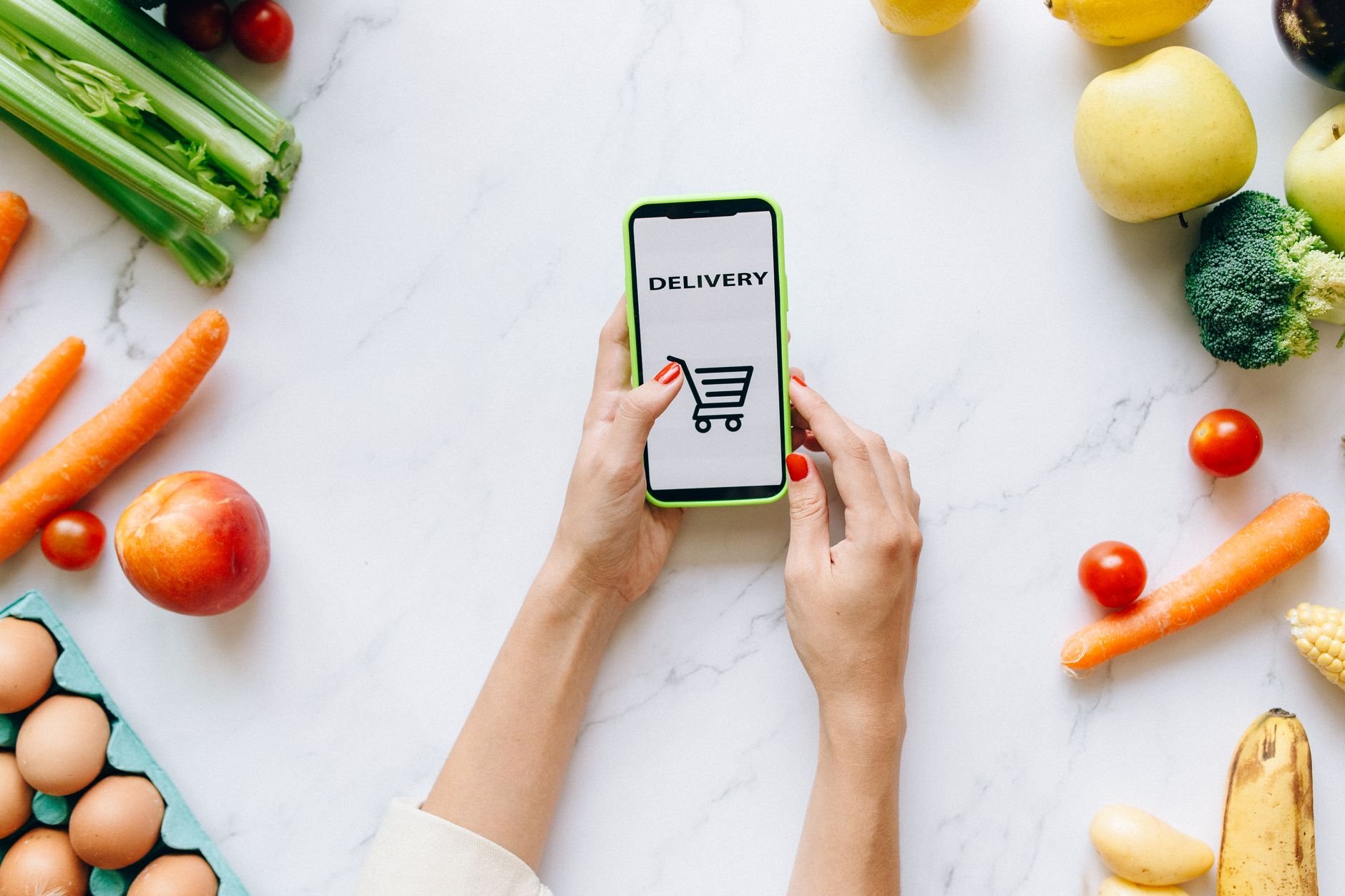
Third-party delivery platforms take 15-30% of every order, and restaurants that route most of their volume through them are effectively giving away their margin for the convenience of not owning the customer relationship. Restaurant mobile app development makes sense when that math stops working, usually once a location has enough repeat order volume that owning the ordering channel outright beats the platform fee.
We've built consumer apps across a few verticals, restaurants, food delivery, travel, and the underlying question is the same every time: does this business have enough repeat-transaction volume to justify an owned channel, or is it better served by staying on someone else's platform? Restaurants are the clearest case, because the fee structure is so visible on every single order.
The rough math: if a location does enough repeat-customer order volume that a 20% platform fee on those repeat orders exceeds the cost of building and maintaining an owned app, building makes sense. For a single location doing modest volume, that math rarely works, the app cost isn't justified by the order volume it would need to shift off third-party platforms. For a multi-location chain or a single high-volume location with a loyal repeat base, it works faster than most owners expect.
The part restaurant owners underestimate isn't the build cost, it's the ongoing cost: someone has to manage the menu, handle app store updates, deal with payment processing issues, and market the app to get people to actually download and use it instead of defaulting back to the delivery platform they already have installed. An app that gets built and then not marketed just becomes a sunk cost with a five-star rating from three reviews.
The features that matter aren't the flashy ones. They're operational:
Order accuracy at the kitchen end. The app needs to integrate cleanly with whatever the kitchen already uses (POS system, ticket printer), or you've just built a second ordering system that needs manual reconciliation, which defeats the purpose.
Real-time menu and inventory sync. Nothing kills repeat usage faster than ordering something the kitchen is out of. If the app's menu isn't tied to live inventory, someone on staff needs a fast way to 86 an item across every channel at once.
Loyalty that's actually worth using. A generic points system nobody understands doesn't move behavior. A clear, simple reward (10th coffee free, a birthday discount that auto-applies) does more to bring people back to the owned app instead of the delivery platform.
From the field: on a restaurant ordering app we built, the client initially wanted a fully custom loyalty points engine with tiered rewards. We pushed back and shipped a simple punch-card equivalent first. Repeat usage in the first two months told us more about what customers actually wanted than any spec document would have, and it saved a build cycle we'd have spent on a rewards system nobody used.
Food delivery mobile app development, travel mobile app development, and dating mobile app development all face the same core question restaurants do (owned channel versus marketplace), but the answer differs by category:
Food delivery startups building a new marketplace, not a single restaurant's ordering app, are fighting network effects against DoorDash and Uber Eats. That's a much harder build-versus-buy call, because the value isn't just the app, it's the driver network and restaurant density, which take years and capital to build regardless of how good the app is.
Travel apps tend to justify a build faster when there's a specific niche or workflow general travel apps don't serve well (a boutique booking flow, a loyalty-heavy repeat traveler base, an itinerary tool tied to a specific service). Generic travel booking, competing head-on with Expedia or Booking.com, is a much harder case to build for from scratch.
Dating apps live or die on network density in a specific geography or niche audience, not on feature polish. A beautifully built dating app with 200 users in a city fails regardless of code quality. This is the category where we most often tell founders the hard part isn't the app, it's the cold-start problem the app can't solve by itself.
Most restaurant app pitches lead with features: loyalty points, push notifications, a slick ordering UI. The questions that actually predict whether the app succeeds are less exciting. Does the vendor have experience integrating with your specific POS system, or will that integration be a research project at your expense? What happens when the menu changes mid-week, is updating it a five-minute task for staff or a support ticket that takes two days? Who owns the app once it's built, can you take the code and hosting elsewhere if the relationship ends, or are you locked into a platform you don't control?
That last question matters more than it seems. We've had restaurant owners come to us after a previous vendor relationship ended, unable to get their own customer data or even a copy of the app's source out of the platform they'd paid for. Code ownership isn't a nice-to-have add-on, it's the difference between owning a business asset and renting one indefinitely.
It varies with scope, but a functional single-location ordering app with POS integration and basic loyalty typically falls in a low-to-mid five-figure range, with multi-location or custom loyalty systems running higher.
White-label platforms are the right starting point for a single location testing demand. Custom development makes more sense once you have proven repeat-order volume and specific operational needs a template can't serve.
Yes, but used sparingly. Over-notifying is the fastest way to get an app deleted; a well-timed "your usual order, ready in 15 minutes" beats a daily promotional blast.
Building it and not budgeting for ongoing marketing to get people to actually download and use it over the delivery platform they already have installed.
For many single-location restaurants, yes. A PWA skips app store friction entirely and can cover ordering and loyalty well, though it loses some native features like rich push notifications on iOS.
If you're weighing whether your restaurant, delivery concept, or travel business has enough repeat volume to justify an owned app, that's a conversation worth having before any code gets written. Free 30-minute scoping call, two business day response. See our approach to mobile app development or start a project.


